What does it mean to be resilient? To tolerate more stress? To stay strong no matter what happens?
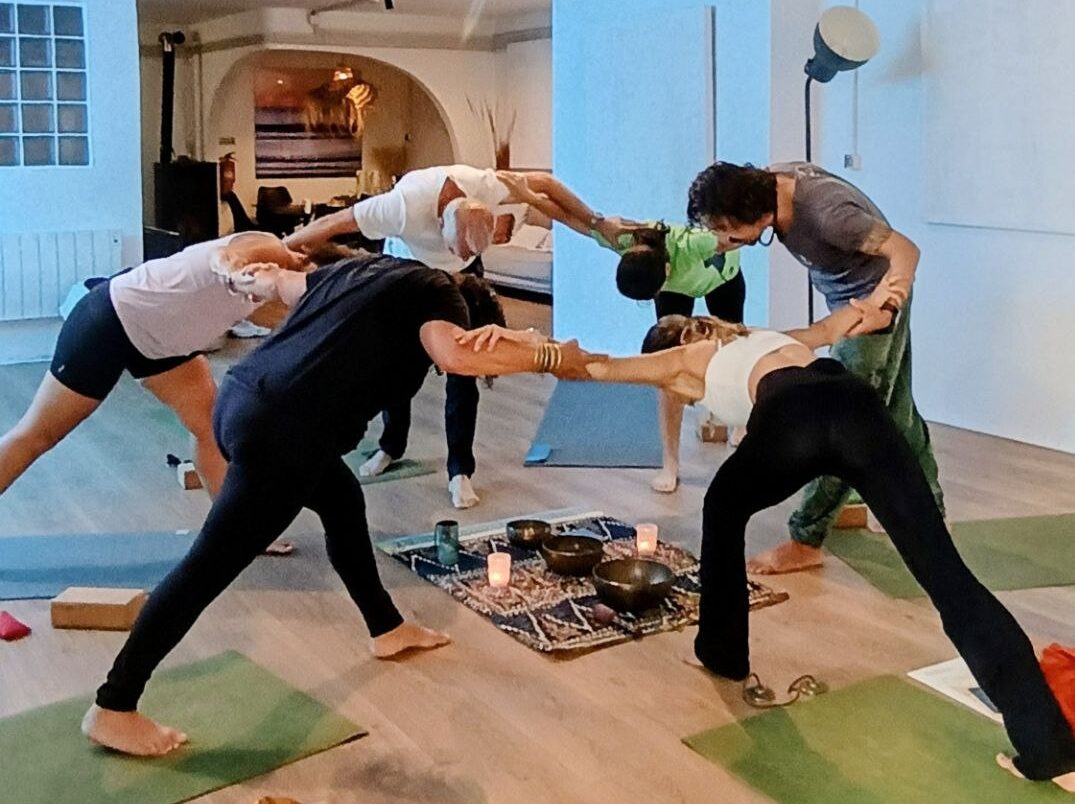
This was one of the questions I explored during the B-Resilient – Body-based Resilience Strategies for Educators training in Portugal.
One of the most valuable ideas for me was that resilience is not about enduring more pressure. It is the ability to notice stress earlier, understand what is happening to us, choose how to respond, use available resources and recover.
During the course, we explored how stress appears not only in our thoughts and emotions, but also in the body: through breathing, muscle tension, posture, energy, attention and our ability to connect with others. We learned and practised simple tools based on breathing, movement, mindfulness, body awareness, emotional check-ins and reflection.
And this is especially important in education.
A learner does not enter the classroom leaving their stress outside the door. Sometimes before we give a person more information, we need to help them notice: How am I right now? What is happening in my body? What do I need? What can help me return to a state where I can learn, communicate and make choices?
The course gave me many short and practical methods that can be easily integrated into adult education: at the beginning of a session, during a break, after an intensive activity or before reflection.
My main takeaway is simple: resilience is not something we either have or do not have. It is a capacity we can develop through small, conscious practices in everyday life.
And this is exactly what I want to bring into my future trainings: not only knowledge, but practical tools that people can use themselves when they need them most.
The mobility was implemented within the framework of the Erasmus+ accreditation in adult education and co-funded by the European Union.
Project 2026-1-EE01-KA121-ADU-000418366
Written by Svetlana Smirnova
.
